
Navigating Uncharted Waters with the Royal Yacht Club of Tasmania
Scope of Work
Dry-docking involves removing a vessel from the water and supporting it on land so that inspection, cleaning, maintenance, or repairs can be safely undertaken. This typically requires a controlled slipping or lifting process, followed by secure storage.
At the Royal Yacht Club of Tasmania (RYCT), the dry-docking process uses a winching system connected to a wedge. A cradle is manoeuvred onto the wedge via a traverse system and permanent rails within the boatyard. The cradle supports the vessel during slipping operations, and the traverse and permanent rails allow the cradle and vessel to be moved and stored within the yard.
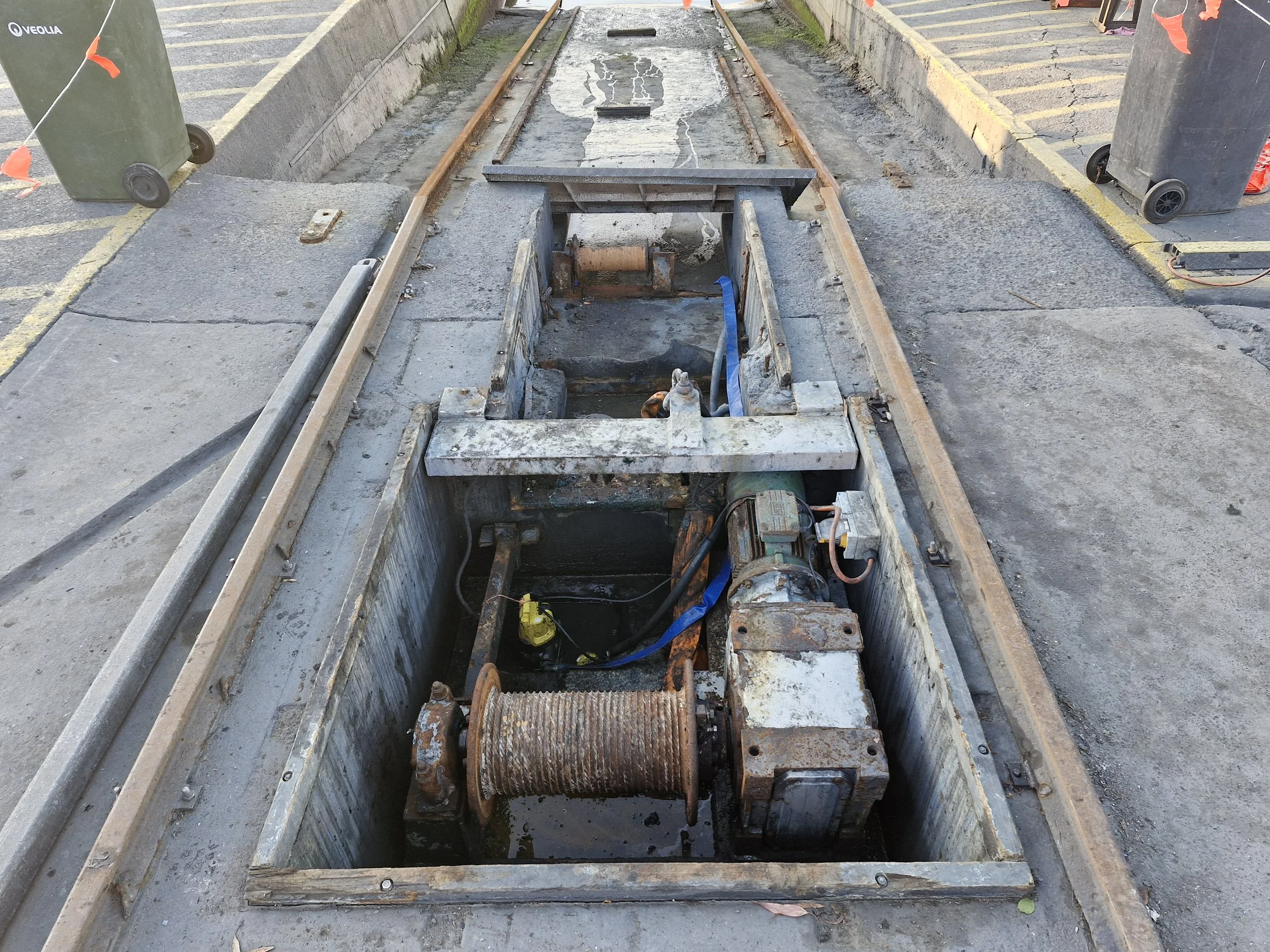
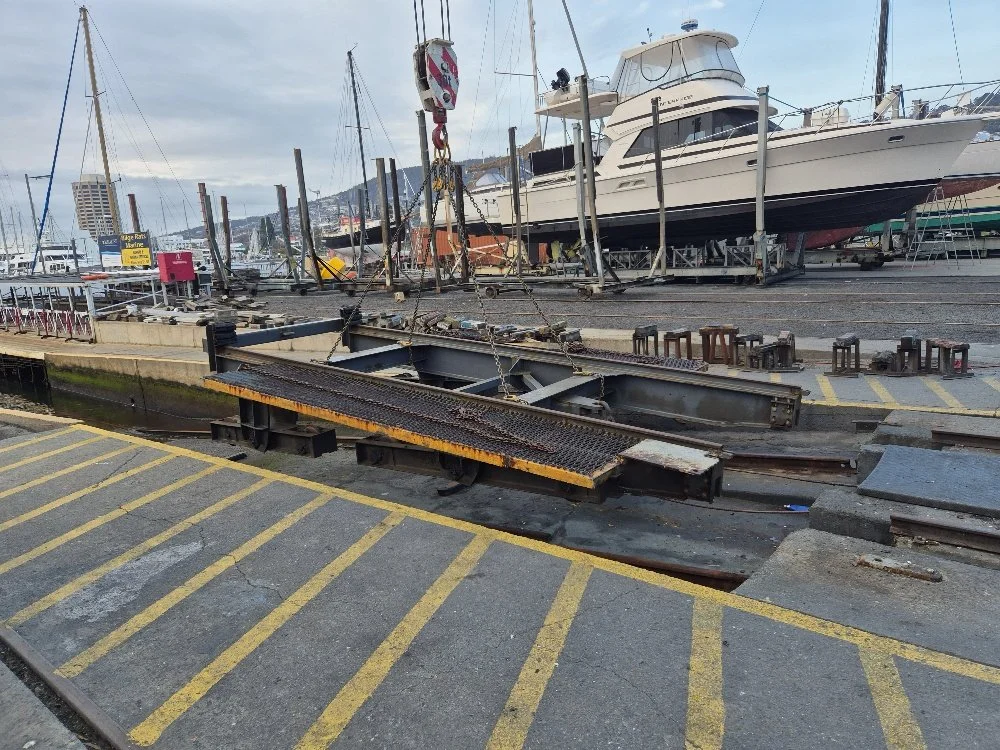
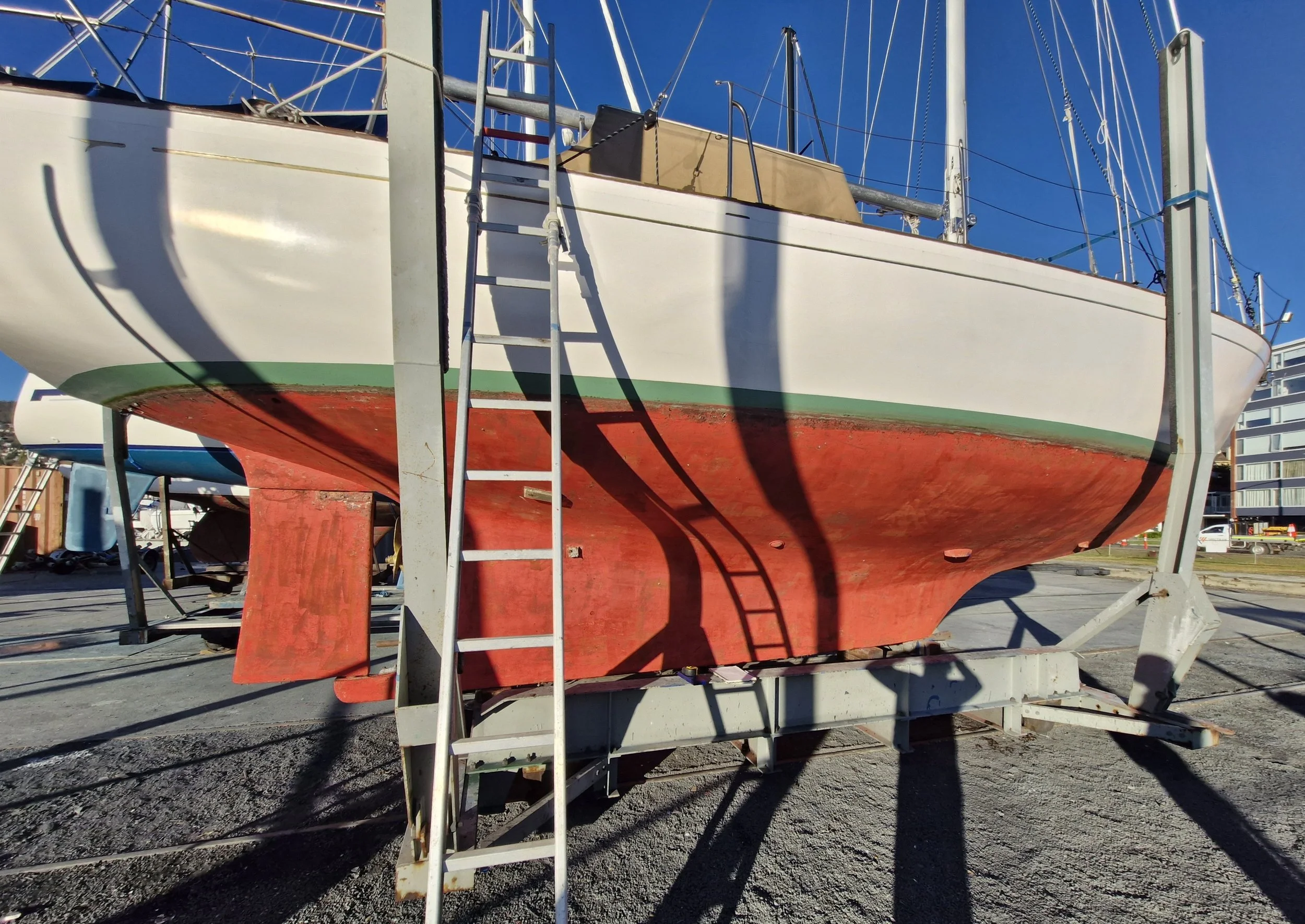
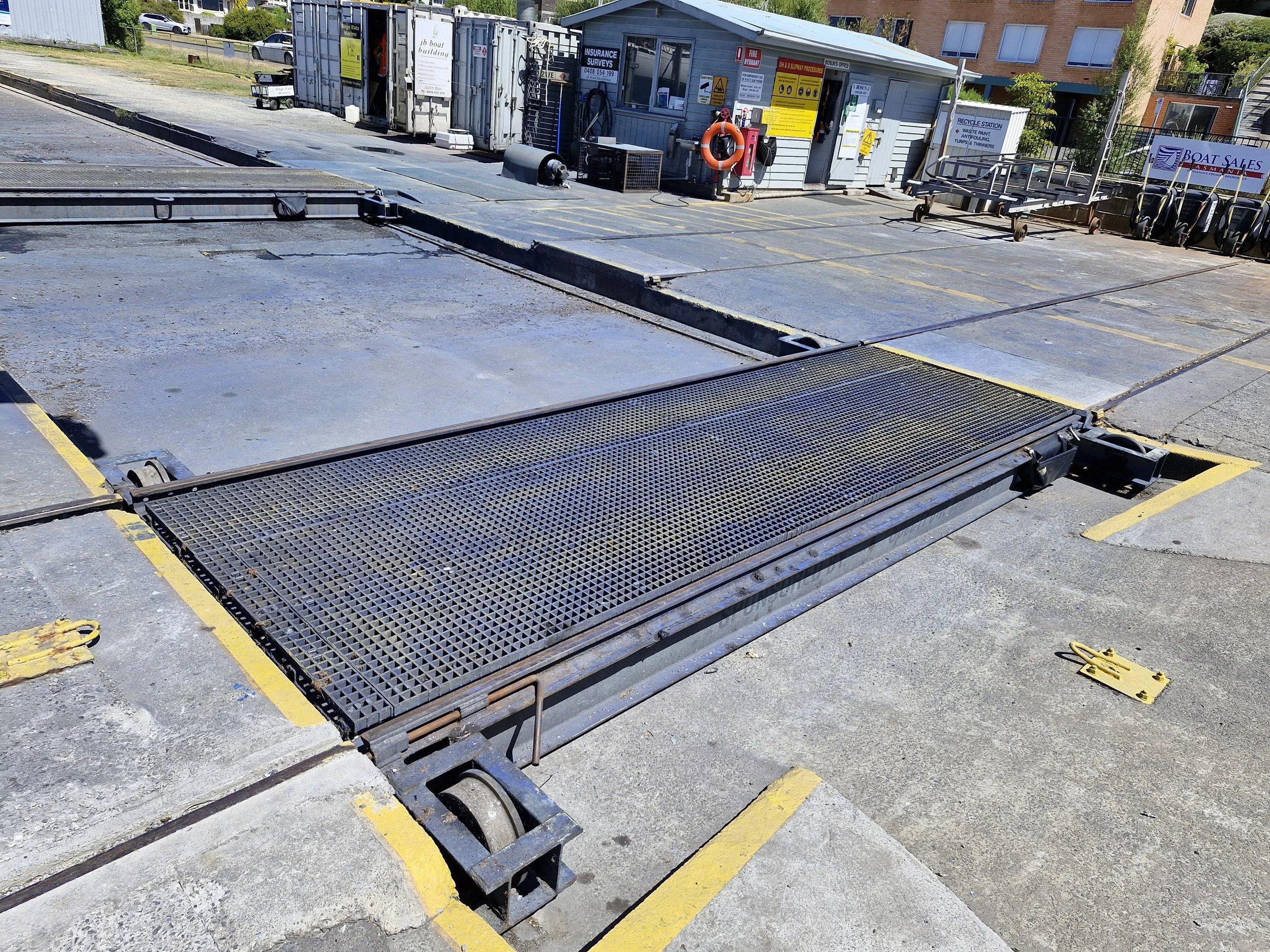
L-R Winch, Wedge, Cradle, Traverse
BTT Engineering was engaged by RYCT to determine:
strength and stability ratings for the cradle, and strength ratings for the wedge and winch system;
associated design drawings for each asset; and
general operating and maintenance procedures required to support ongoing safe use.
Client-Driven Outcomes
Dry-docking operations are often managed through site-specific practices, and the regulatory framework for these activities is still developing. As a result, significant safety risks can arise where asset capacity, environmental conditions, operating limits, and maintenance requirements are not clearly defined. RYCT’s proactive approach reflects a strong commitment to addressing these risks constructively, improving safety outcomes for operators and bystanders, and reducing the likelihood of property damage.
RYCT identified a need to define the safe operating limits of its dry-docking infrastructure, including the size and weight of vessels it could accommodate, as well as measurable criteria for determining when key assets require repair, reinforcement, or replacement. The club was also eager to implement practical operation and maintenance protocols to help extend the service life of the cradle, wedge, winch system, and motor, reducing future upkeep costs while supporting safer operations. By developing design drawings for each asset, RYCT also ensured that future replacement assets can be built to meet the strength and stability requirements established through the assessment.
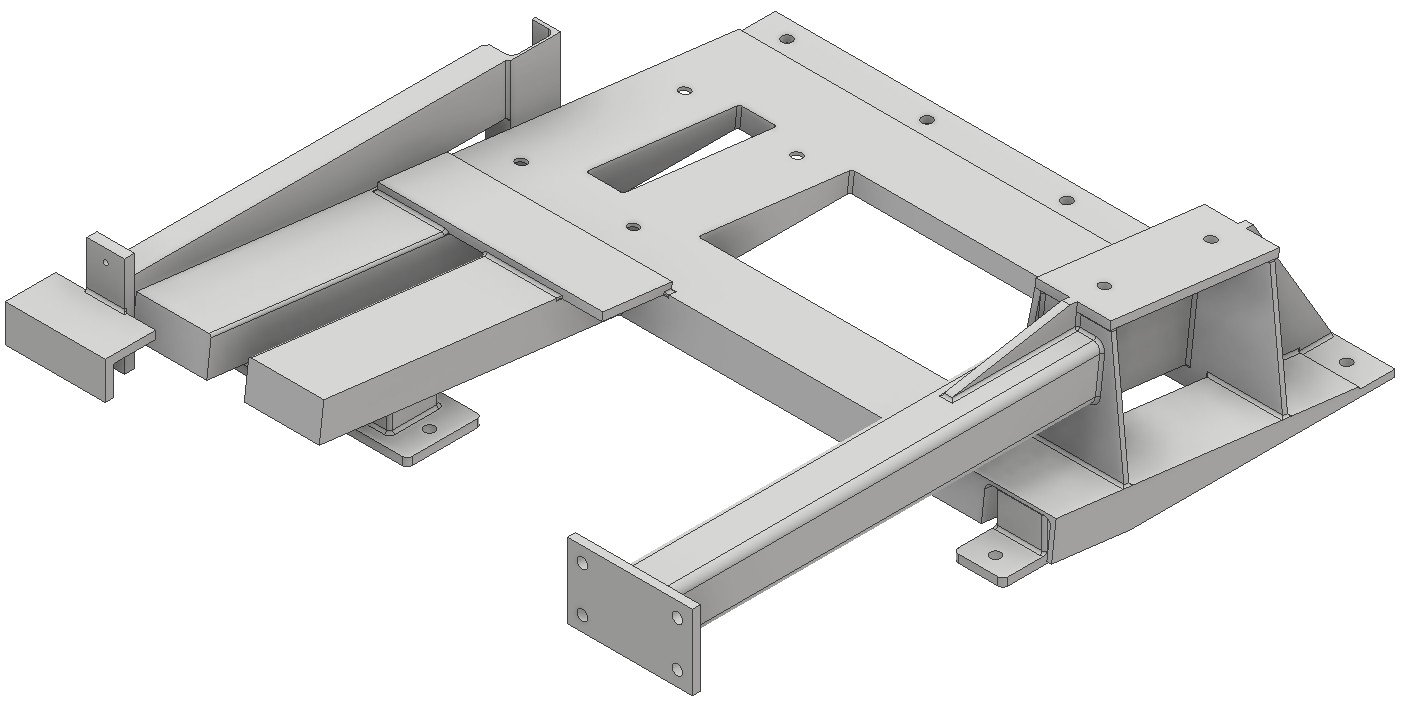
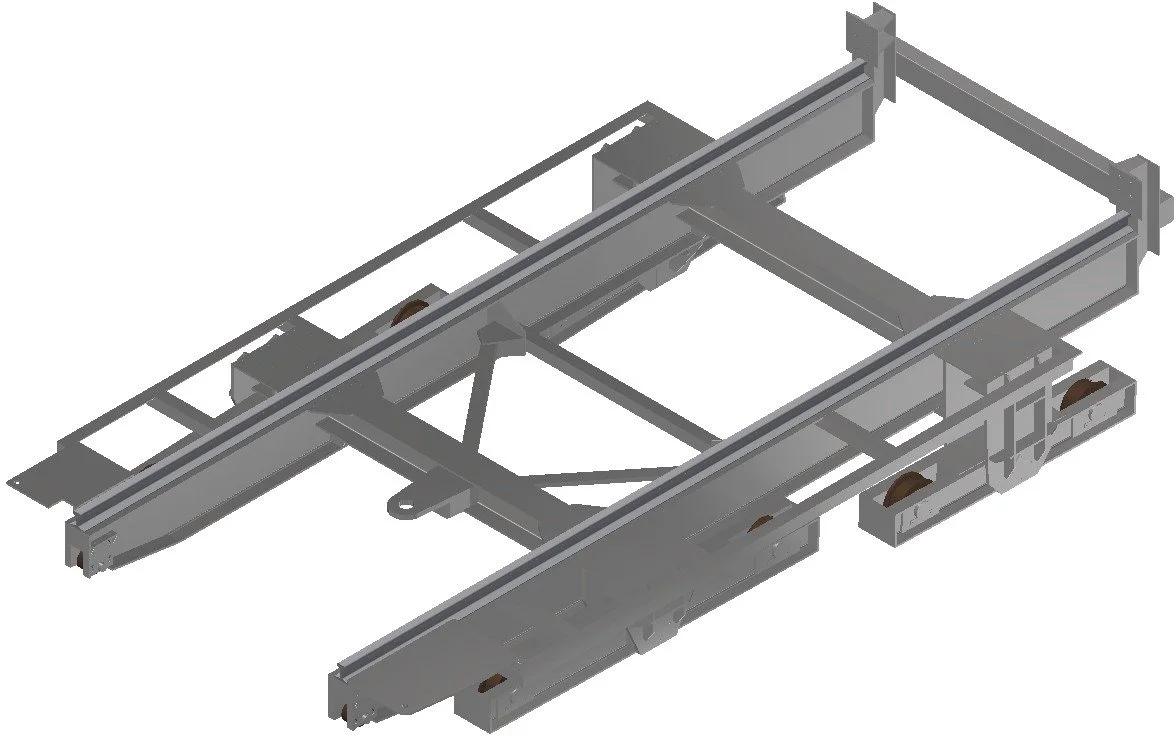
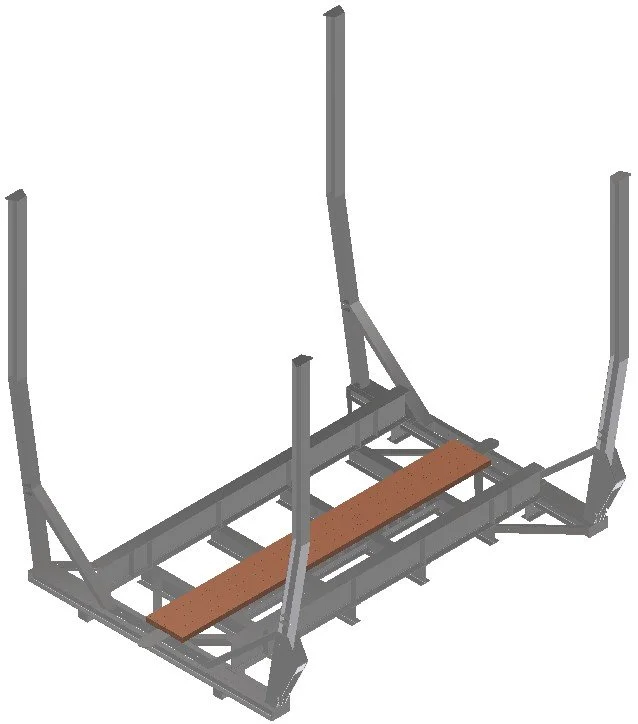
L-R Winch, Wedge, Cradle
The operational protocols developed by BTT provide guidance on how environmental conditions may affect the strength and stability of the cradle, and how these conditions should be considered in risk assessments for both slipping operations and vessel storage. They also capture broader aspects of the dry-docking process, building on the practical experience of the operators and the club to support safer, more consistent decision-making across day-to-day operations.
BTT collaborated closely with RYCT to ensure the necessary structural reinforcement, operating procedures, and maintenance protocols were suited to the club’s existing dry-docking processes. A key outcome was ensuring all changes were practical to implement and capable of improving safety without placing unnecessary additional burden on operators.
BTT is grateful for the strong partnership developed with RYCT throughout this project and acknowledges the club’s proactive approach to addressing important safety considerations within dry-docking operations.
Strategic Assessment Process for Real-World Application
Spearheaded by BTT Engineering Mechanical Engineer Jakob Haas, the work for RYCT began with a review of the relevant Australian Standards and regulatory requirements applicable to dry-docking operations. This ensured the assessment was grounded in accepted engineering methods and provided a robust basis for the resulting strength and stability ratings.
BTT then undertook a combination of computational analysis and physical testing. To minimise disruption and reduce project costs, the assessment was delivered through a staged program aligned with periods when RYCT’s assets were accessible. This allowed the work to be completed without hindering the club’s existing operations.
Jakob met regularly with RYCT to discuss project outcomes, walk through the corresponding reports, and provide solution options when challenges arose. This inclusive approach helped ensure the final project outcomes met RYCT’s expectations, were clearly understood, and could be practically implemented.
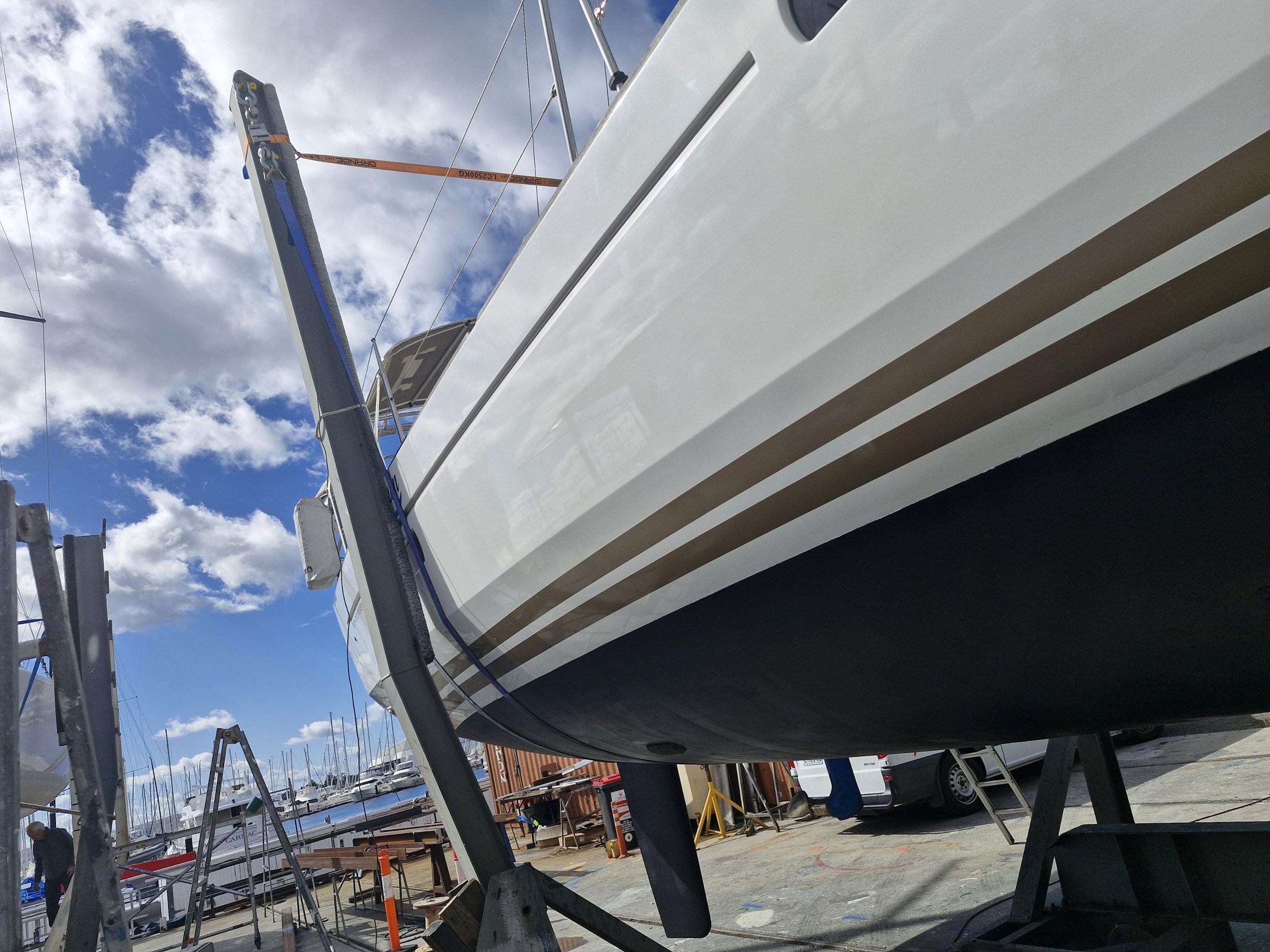
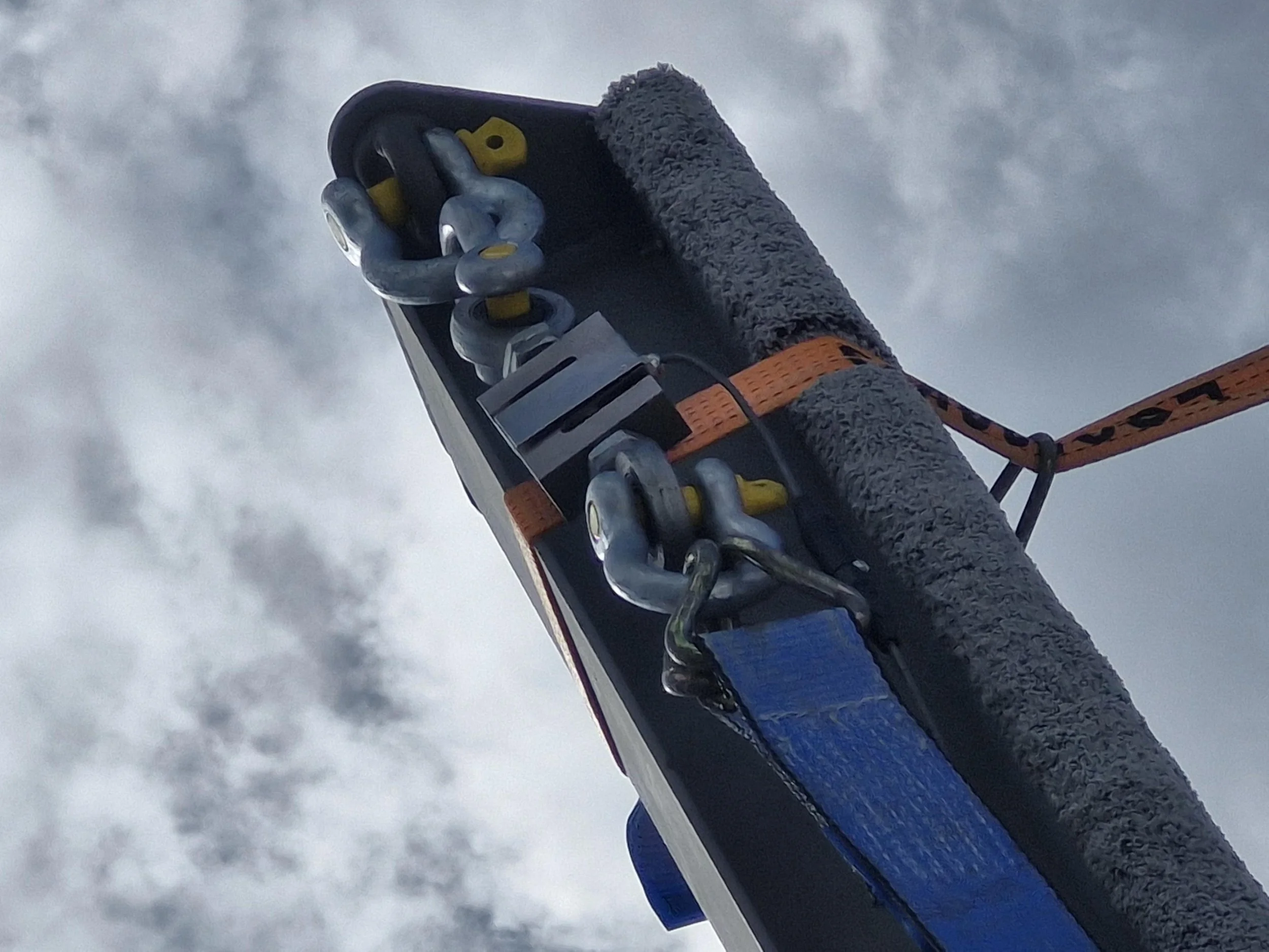
Physical Testing
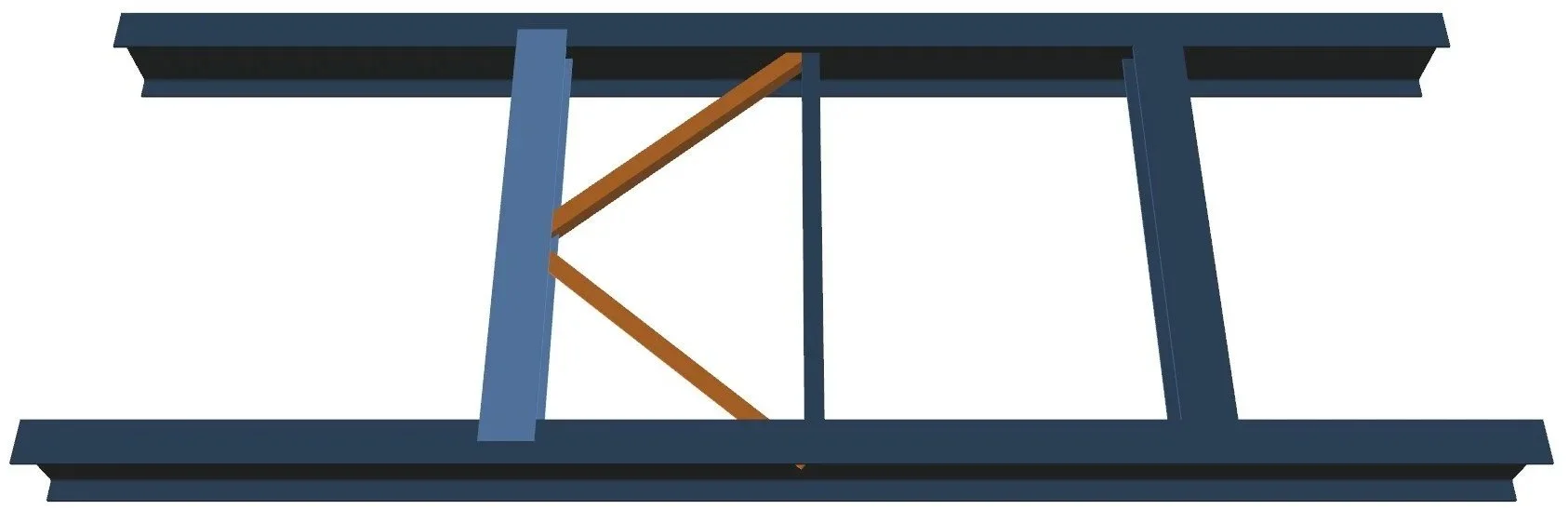
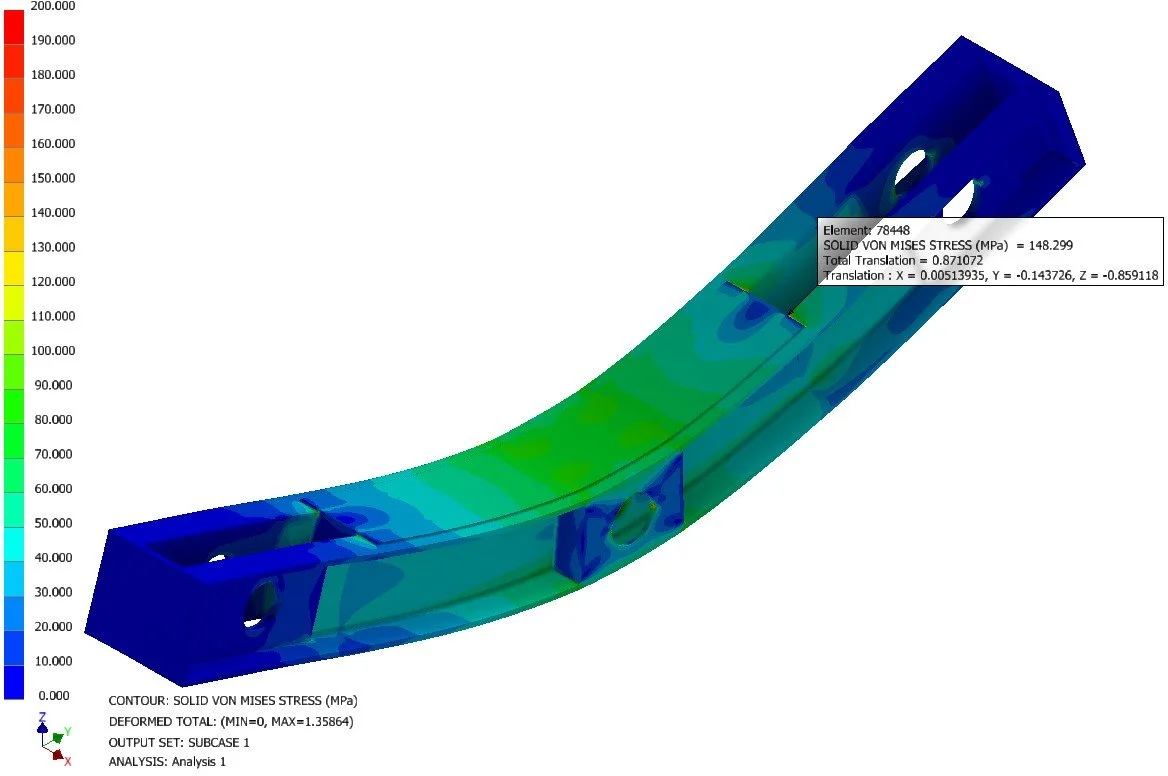
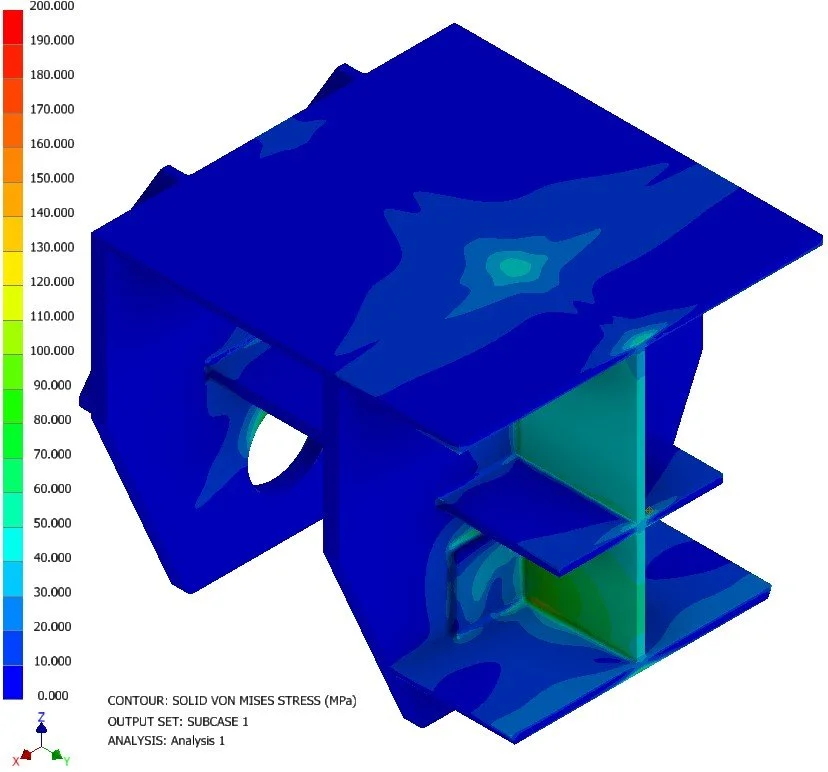
Wedge Assessment
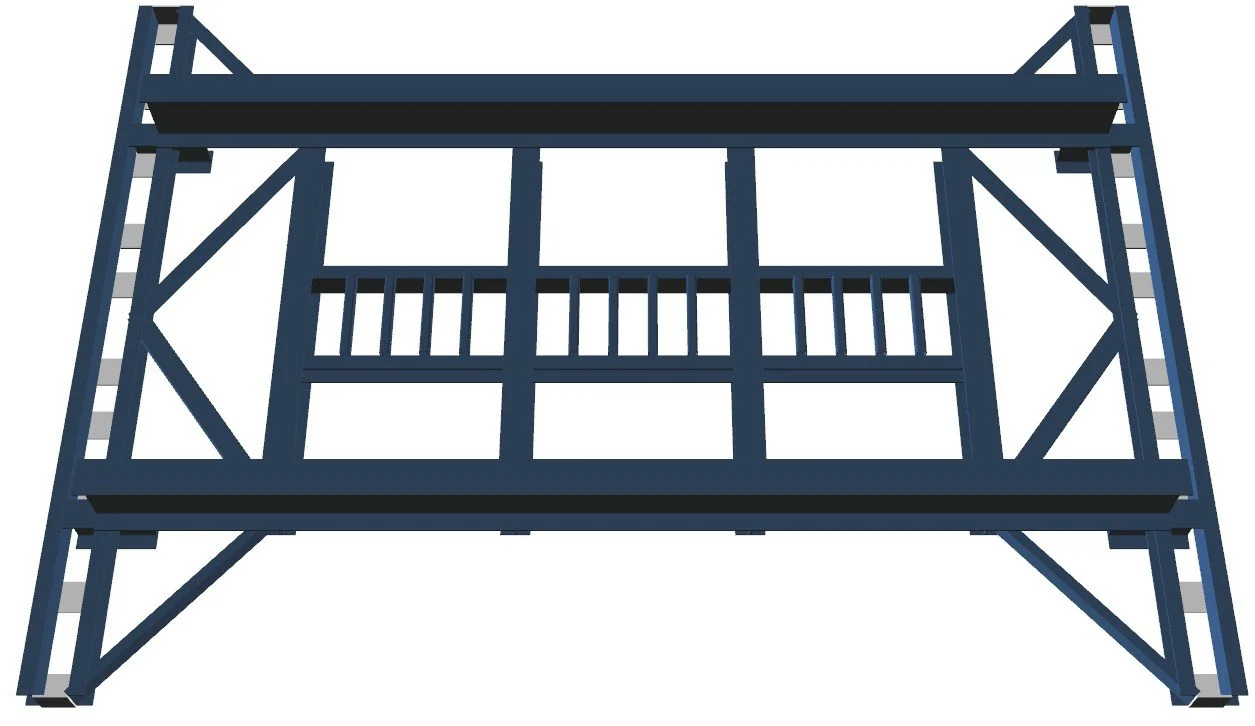
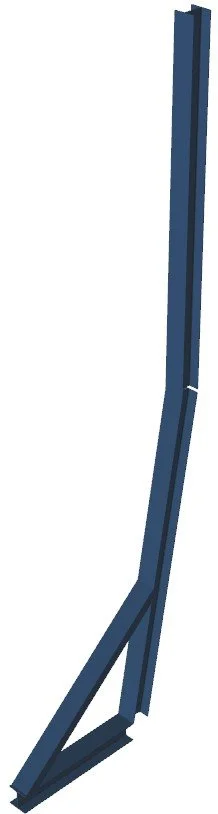
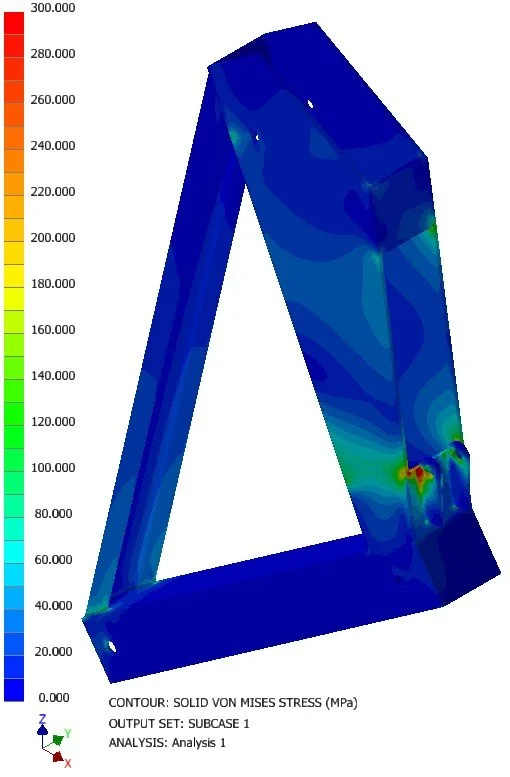
Cradle Assessment
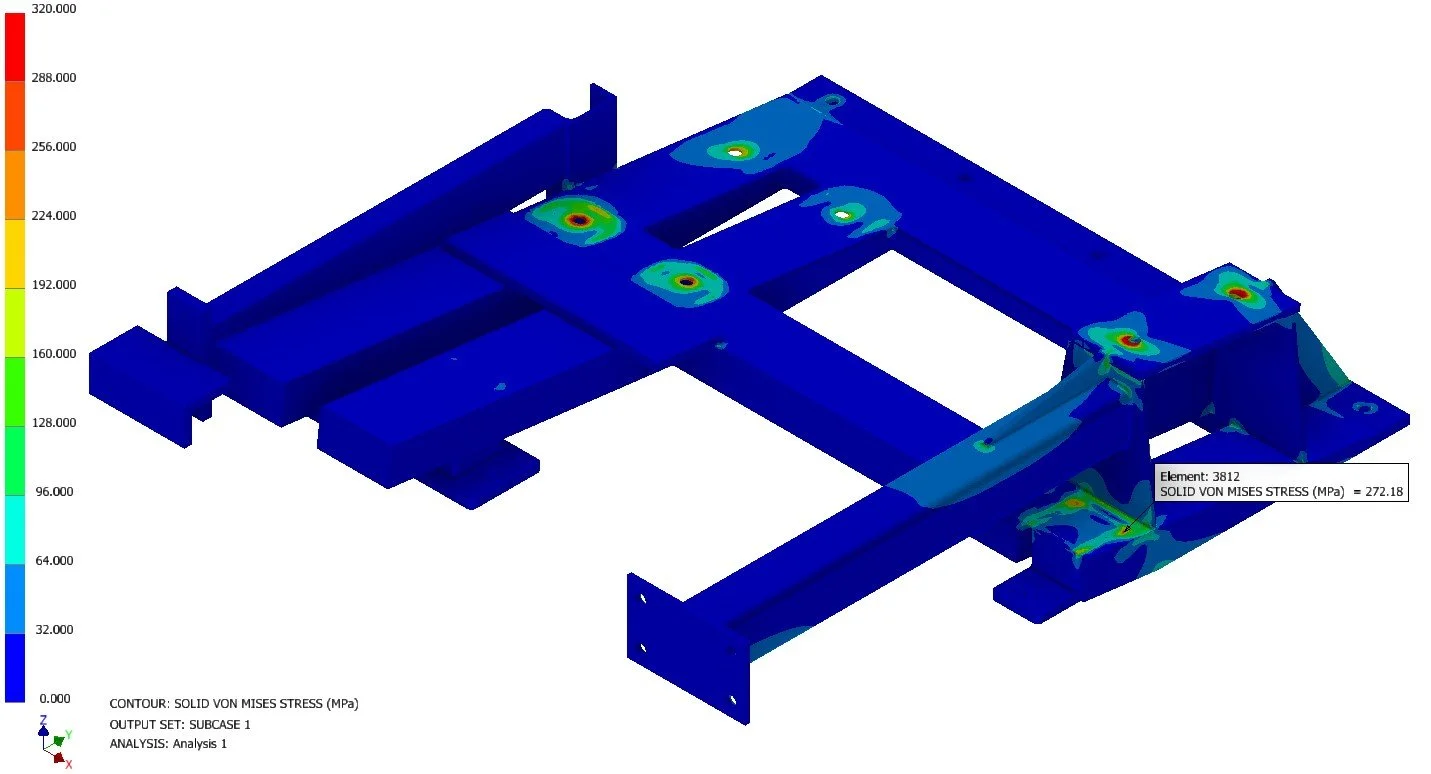
Winch Assessment
Why choose BTT Engineering for your design project?
At BTT Engineering, our team works directly with clients and regulatory bodies to ensure designs not only comply with relevant standards, but are also buildable, cost-effective, and safe for real-world operations. We also provide practical guidance to support continued compliance throughout the life of an asset.
By extending beyond assessment and design into operation and maintenance considerations, we help clients protect their investment and integrate engineering outcomes into broader day-to-day operations.
If you are looking for guidance on a design project, please contact us and one of our team members will be in touch shortly.